Keep your team’s decisions in what AI builds.
Shape your product without running the coding agent.
“Add a Cancel plan button.”
ExampleThe agent’s proposal
When a customer cancels, access ends immediately.
“They’ve already paid. Keep access until their paid period ends.”
Maria’s correction · from the review link


One piece of customer knowledge. A different product decision.
Works with Claude Code · Codex · Cursor
A review link for your team. Your coding tools for the build.
Product managers, designers, and the people who know the customer review what will change, answer open questions, and request corrections through a shared review page. Developers keep working in their coding tools.
M Maria · product · review link
Shaping the product?
See what will change for customers and bring your product knowledge to the decisions that matter.
Request changes and approve the version your team agrees on, all in your browser. No Git or terminal, and no coding agent of your own.
See how team review works →S Sam · engineering
Running the coding agent?
Bring your teammates’ product knowledge into your coding agent’s work.
Keep working in Claude Code, Codex, or Cursor. The approved decision lives beside your code in intent.md. Start with the free local preflight; connect a workspace when your team is ready to review together.
The decision stays useful after the review.
Know what was approved.
Keep a record of who approved which version. When the proposal changes, the new version needs a fresh approval.
Carry it between agents.
The decision lives in the repository, available to whichever coding agent your team uses next.
Keep the reason behind it.
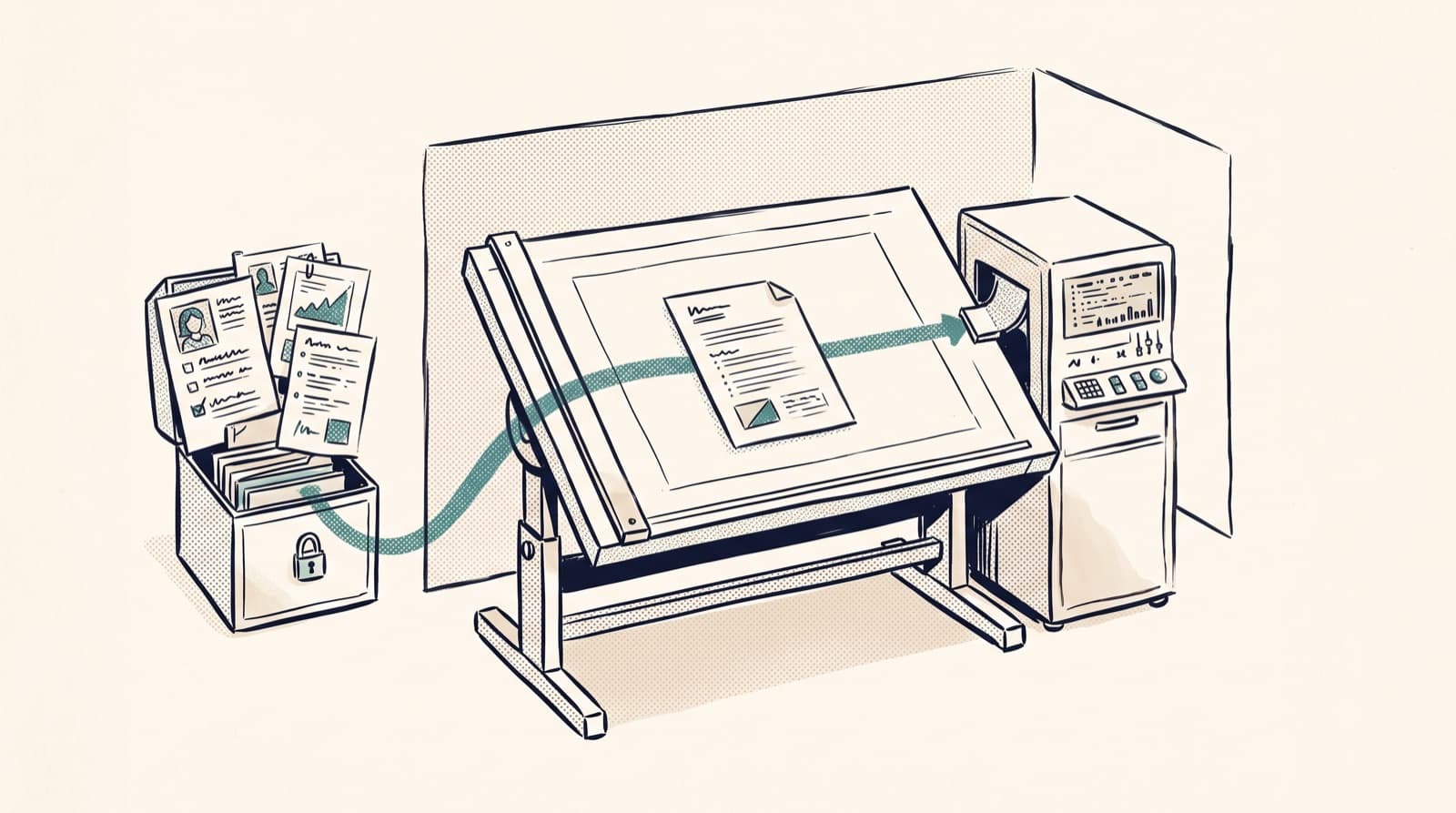
Return to the reasoning and supporting evidence when a later request touches the same decision.
After shipping, check the build and the result.
Did the code follow the decision? Pathmode checks the linked merged pull request against the approved spec. For cancellation: does paid access last until the period ends?
Did the change help? Your team records what it observes after release. For cancellation: do customers still ask support when their access ends?
A few practical questions
Do I need to use Claude Code or Codex?
No. You review proposals, answer product questions, and request changes in your browser. Your developer runs the coding agent. Pathmode carries the agreed decisions into its work.
Do we have to write the spec in Pathmode?
No. Keep writing tickets where you do today. Your engineer’s agent turns the request into a proposal for your team to review. If no repository is connected yet, you can start from a brief instead.
Why not just do everything in Claude?
Claude can help you plan and build. Pathmode gives the team a shared place to review the proposal, record who approved which version, and carry that decision to another agent or a later session.
Who decides what gets built?
Your team does. A correction asks the agent to revise its proposal; it does not approve a build. You review the new version and approve it separately. Pathmode records who approved which version and when.
Do we need evidence before reviewing a proposal?
No. Start with the request you have. Add interviews, tickets, or metrics when useful; they stay in the connected workspace, outside Git.
Do developers need another tool or account?
The local preflight works inside their coding agent without an account or API key. Connect a Pathmode workspace for shared review, private evidence, and the record of who approved what.
Give your coding agent the decision your team made.
Create an account for shared review, or start with the free local tools for your coding agent.