What you asked for
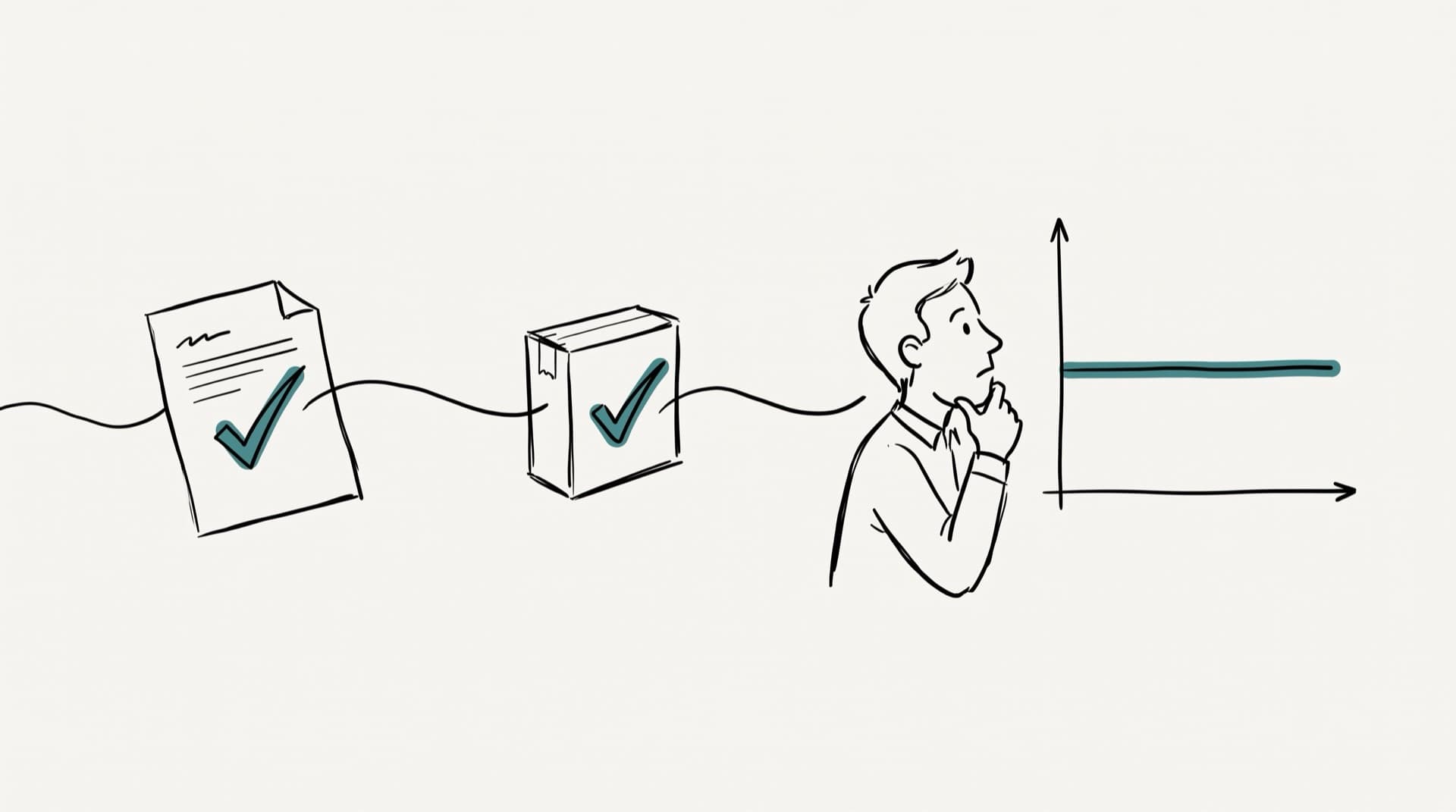
“Add a Cancel plan button under Settings, Billing.”
The agent understood
Add the button. On click, cancel the subscription and end access immediately for the customer.
The choice to settle
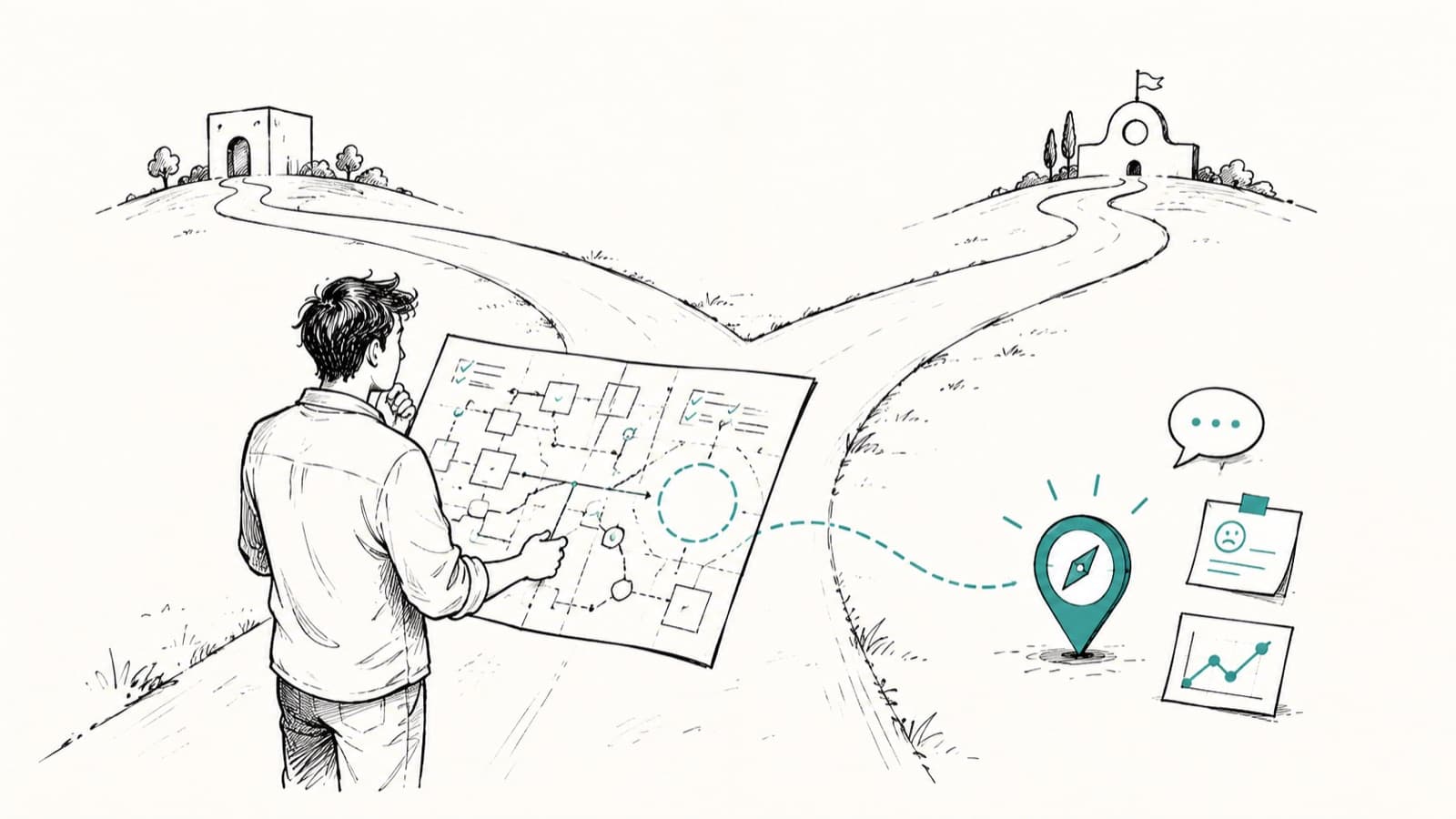
When someone cancels, does access end immediately or at the end of the period they paid for?
Pathmode recommends
At the end of the paid period.
The customer has already paid for access through that date.
Trade-off: Cancellation may not change access until the current billing period ends.
Source: FN-412 demo fixture · illustrative
Your decision
End of the paid period.
Keep access active through the period the customer already paid for.
You review and authorize the revised proposal before implementation.
Your part: review, resolve, approve
You don’t need to write another spec or operate Git. You need to decide whether the proposal describes the behavior you want.
- Review the proposed behavior. Keep your brief in the ticket, doc, or thread you already use. Your engineer gives it to their coding agent and attaches the original request to the proposal. You review the two side by side in Pathmode.
- Resolve the question. Choose “Use this recommendation”, “Correct it”, or “Discuss this”. Review your correction before sending it back. A recommendation is a starting point for your judgment.
- Approve the revised proposal. Your engineer’s agent applies the correction. When the updated proposal says what you mean, choose “Authorize implementation.” Sending a correction is not approval to build.
Know which version you approved
Pathmode records who approved the whole proposal, when, and which version they reviewed. If the proposal changes materially, it needs fresh approval. Your engineer and their agent can see the authorized version to build from.
You can also confirm or reject a single behavior. That judgment is recorded under your name, against the wording you judged, and the agent receives it. Only authorizing the proposal approves it for building.
Bring evidence when it helps
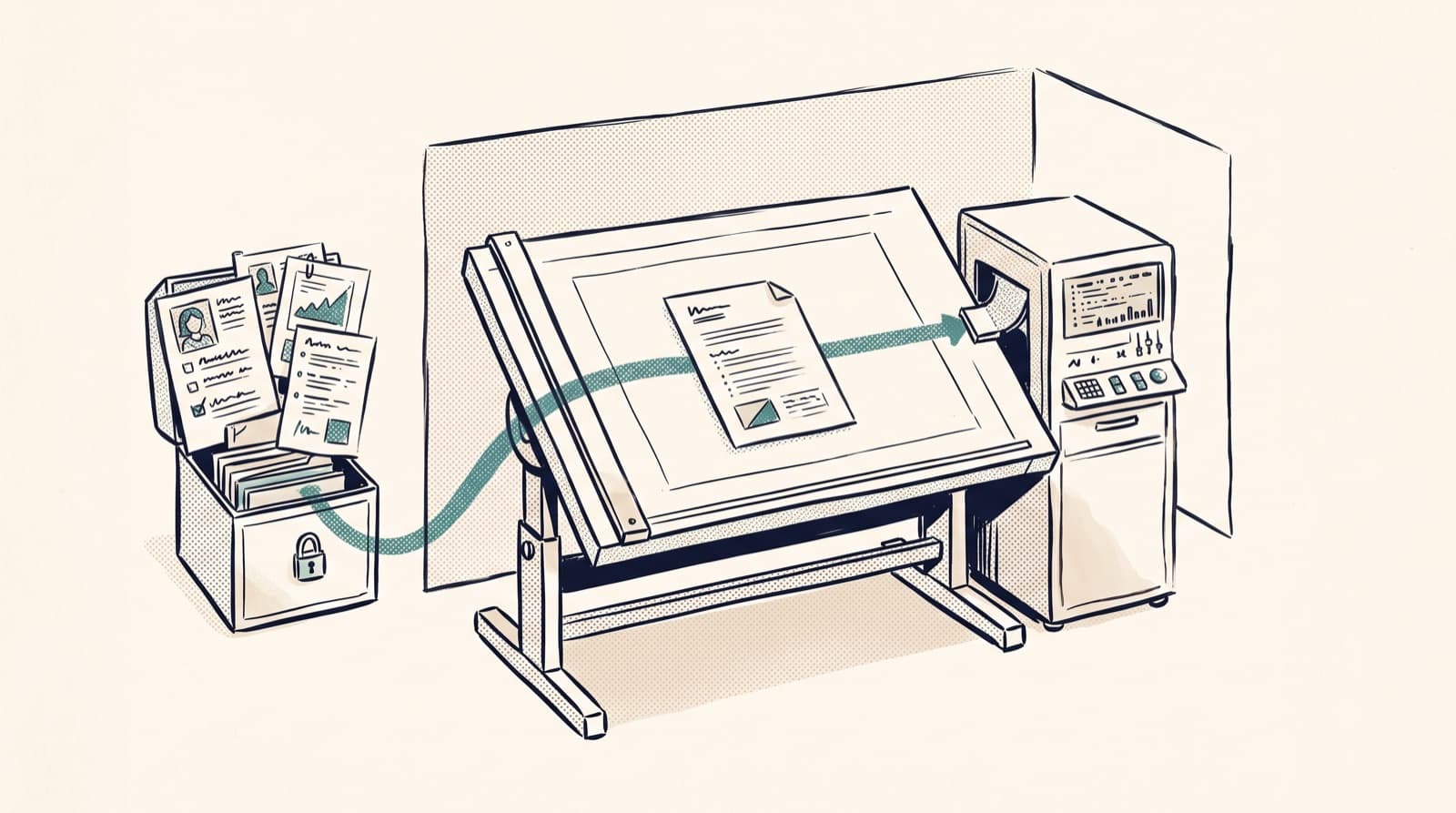
Customer research can help you judge a question, but you can review and authorize a proposal without it. Private customer material stays in the connected workspace; the coding agent gets the decision and safe references. An attached request does not turn an assumption into a proven fact.
What the implementation check tells you
With GitHub connected and the pull request linked, Pathmode checks the merged changes against the spec and surfaces possible differences for review. You still judge whether the shipped behavior meets the need.
Supported workflow and verification limits
Claude Code with the GitHub pull-request webhook is the supported workflow. The comparison runs after merge and is advisory: it does not block a merge or stop a coding agent.
Authorization covers the whole proposal at the reviewed revision. Confirming or rejecting a single behavior is recorded separately and neither authorizes nor blocks the build. Pathmode does not authorize an unapproved proposal, and a passing implementation check does not record your acceptance of the shipped result.