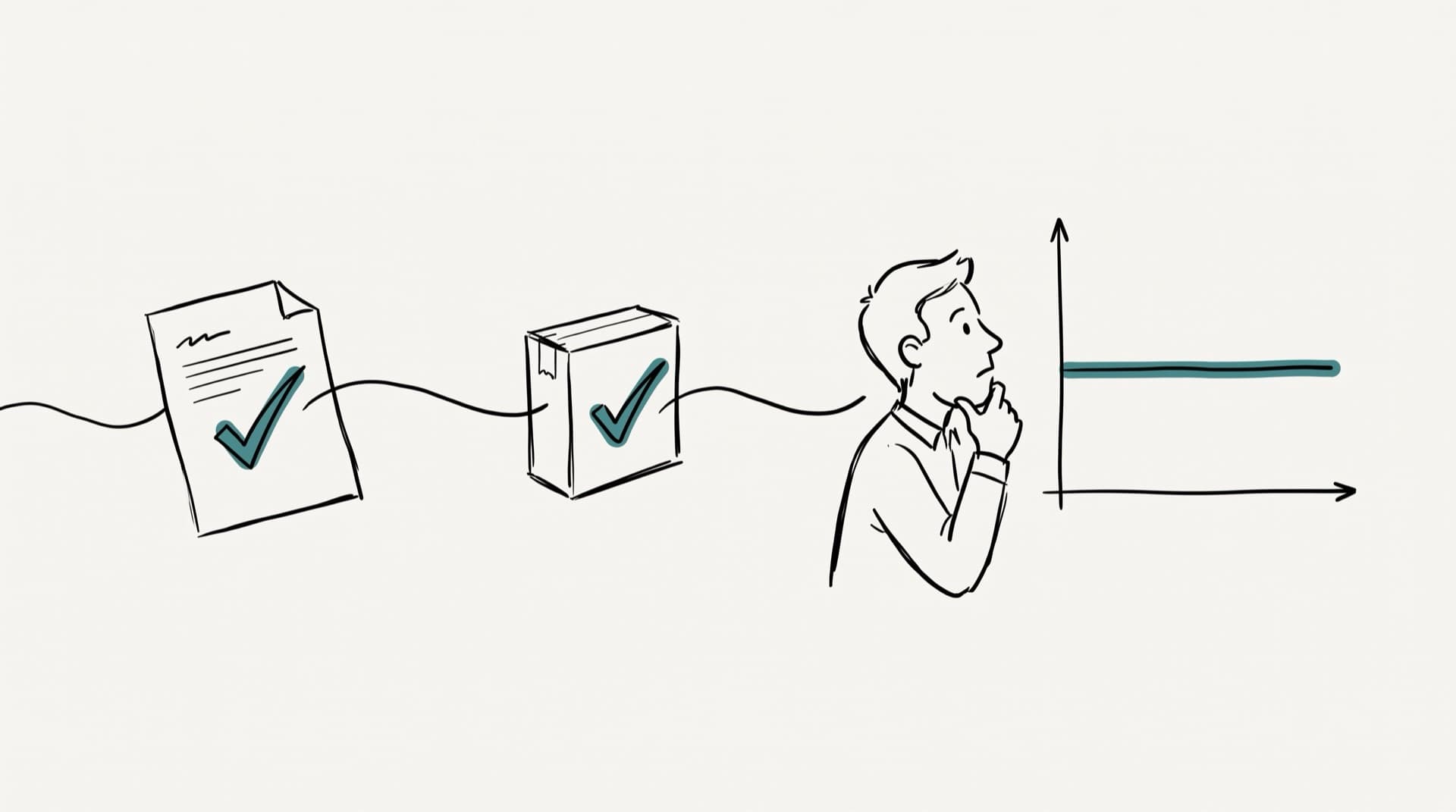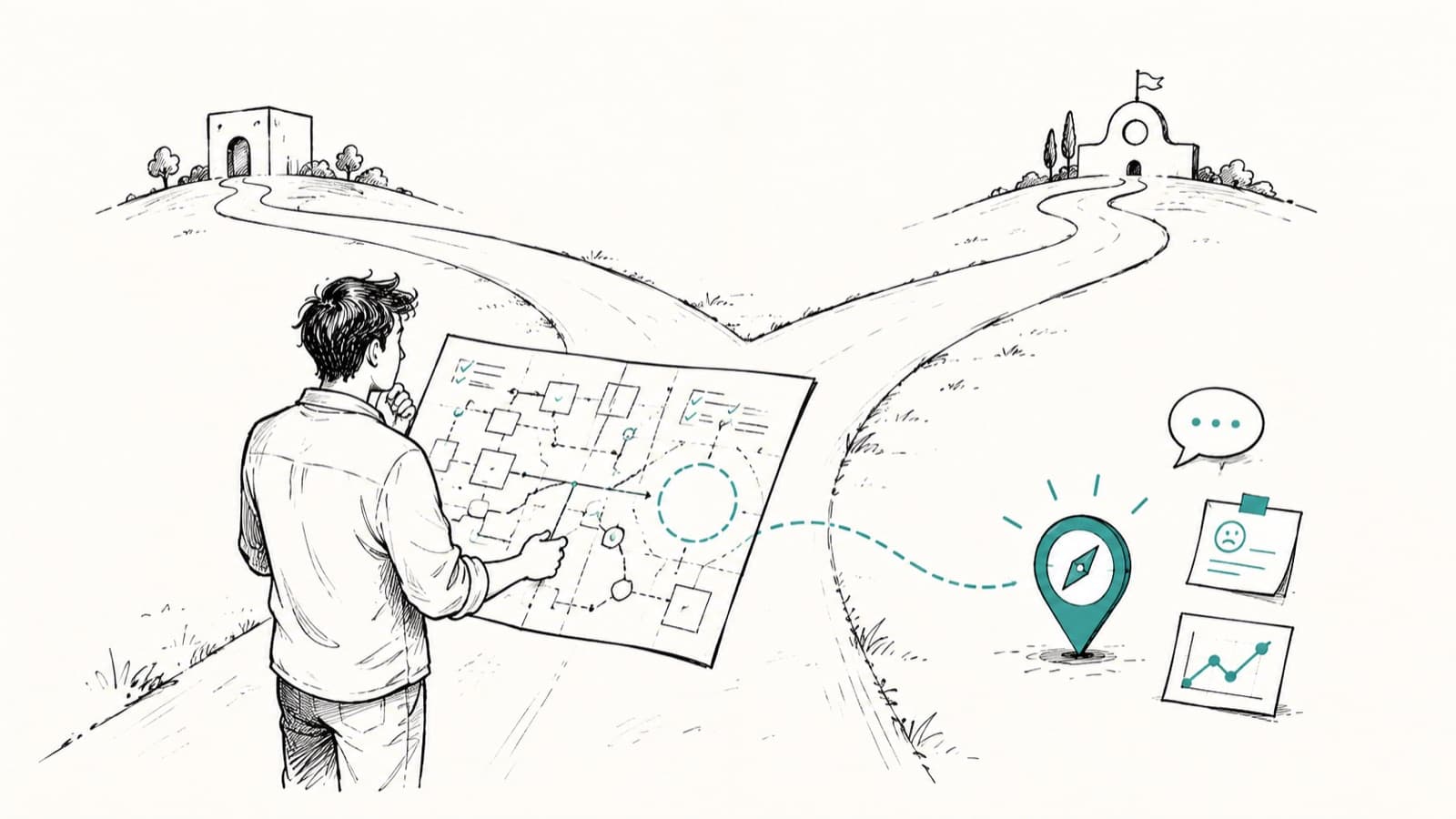
The shape of an engineering leader's job has shifted, and most tools haven't caught up.
A few years ago, the leverage was in code review. You held the line on a mediocre PR, sent it back, and the next iteration was better because a person wrote it and a person learned. The review loop assumed the writer would carry the lesson into the next ticket.
Agents do not carry the lesson. They carry the repository context you give them.
What changes
If the agent ships what the product decision says, intent.md is now an artifact under review. A vague ticket is not merely a starting point—it becomes code an hour later, sitting in your PR queue in a shape nobody asked for.
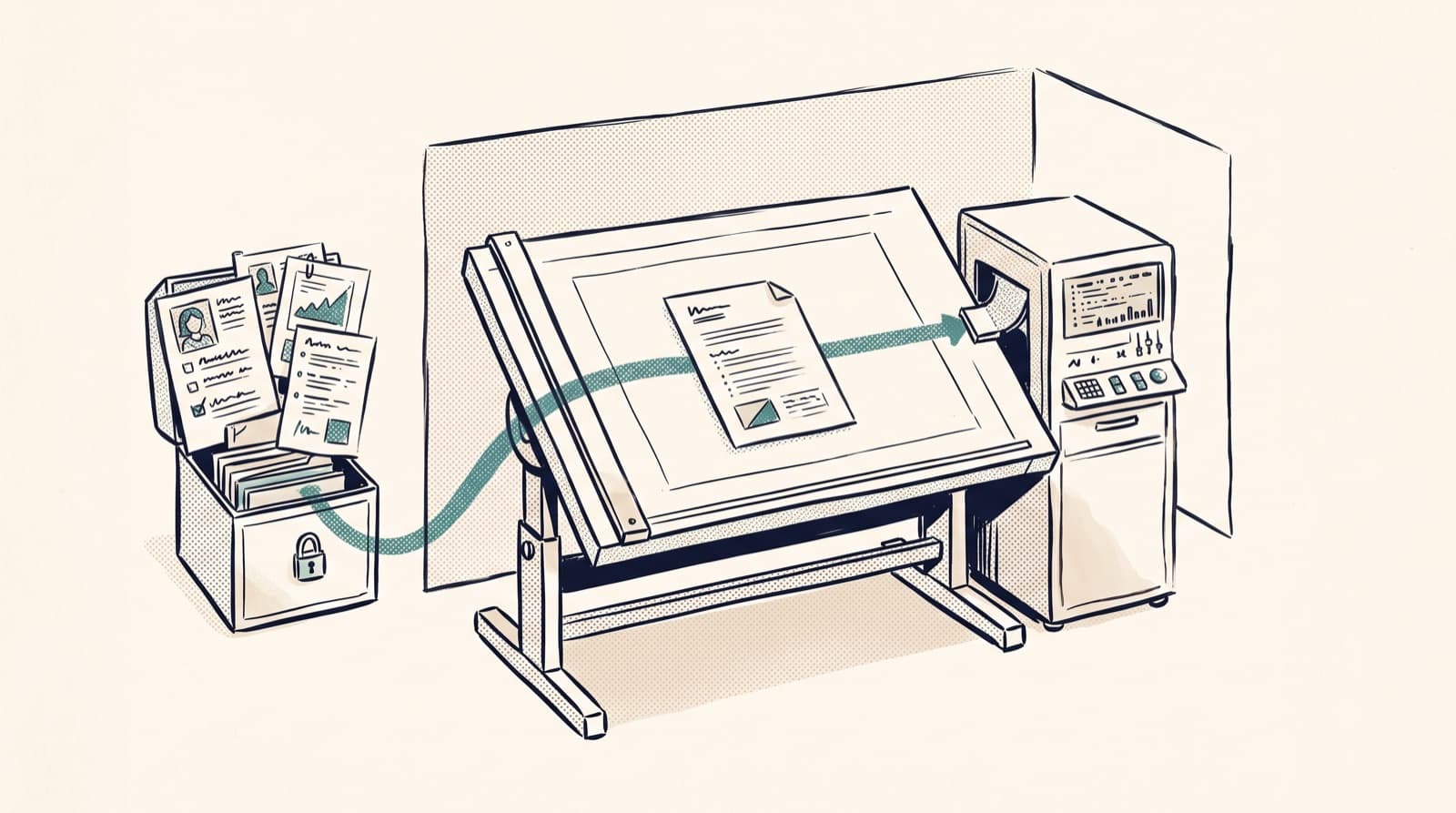
Pathmode keeps the canonical product decision in the repository. Product and design teammates do not edit that body from the browser. They send structured change requests against one exact base revision: the target field, proposed value, expected old value, and reason.
The repository operator's coding agent consumes the request. It either rejects an unworkable request with a concrete reason or deliberately applies it to intent.md and syncs the result. Exact-base checking prevents a stale request from overwriting newer repository judgment.
Pathmode computes the diff from immutable revision snapshots. A material change creates a new revision and clears the prior authorization. Engineering verifies that the request was applied coherently and is feasible; the explicitly responsible human authorizes or rejects that exact revision. The implementation agent cannot authorize its own input, and Pathmode tells it to stop while the verdict is pending or stale.
Deterministic preflight still matters: it names a vague objective, unobservable outcome, missing constraint, absent edge case, or weak verification before implementation. But preflight is the quality floor, not the human verdict. Passing checks does not authorize a product decision.
A concrete example
A team has an adopted intent: let users bulk-archive old invoices. Product requests a new constraint: all bulk archive operations must be reversible and produce an audit log. The request is bound to the current intent.md revision.
The coding agent reads the request, checks that the base revision still matches, and applies the constraint to the repository file. Pathmode shows the exact addition and invalidates the old authorization. Engineering checks that the constraint is technically coherent; the accountable product manager authorizes the new revision. Pathmode then passes the authorized revision to the implementation agent without the pending warning.
The thing that changed is not model quality. The constraint stopped being tribal knowledge, reached the canonical artifact, and could not become implementation input until a human judged that exact revision.
What you stop doing
Rewriting under deadline pressure when a missing constraint surfaces post-PR. Acting as the human copy-and-paste bridge between a PM tool and the repository. Letting a stale request overwrite a newer decision. Watching an agent confidently implement a revision whose approval no longer applies.
What's left
System reality. What scales, what is fragile, what matters. Engineering's responsibility is to apply requests coherently, reject contradictions that cannot be implemented, and verify feasibility. That does not automatically make engineering the product authorizer; the team names the human accountable for each verdict.
Where this falls apart
Pathmode does not replace good engineering culture. It does not substitute for real review of consequential code, staging environments, or the boring discipline of testing what you ship. Revision authorization records the product verdict the agent receives before implementation; merge verification and code review remain downstream gates.
For the surface area where agents are doing the typing, intent.md is where the product bar lives. Pathmode keeps the private evidence, structured requests, server-derived revision diff, and accountable human verdict connected to it.